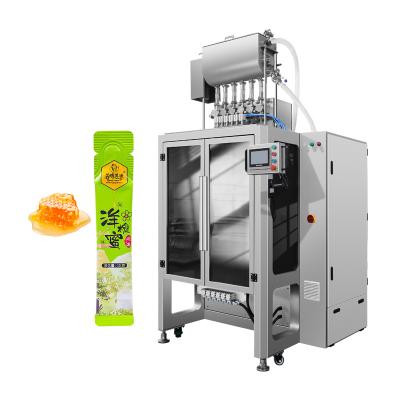
If you walk onto any automated factory floor, you know the biggest headache is not packaging speed. It is how reliably raw material gets into the unit. When moving bulk solids like coffee beans, snacks, or small metal parts, even small delays cause costly downtime.
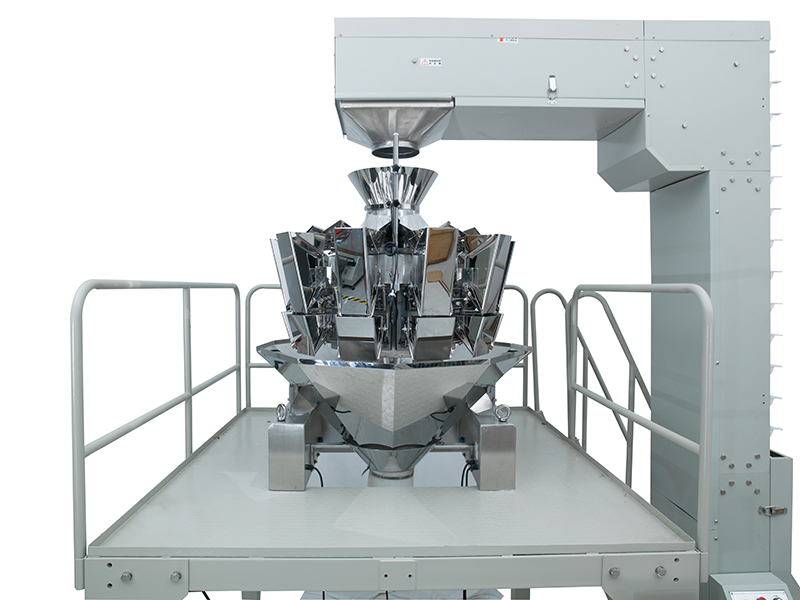
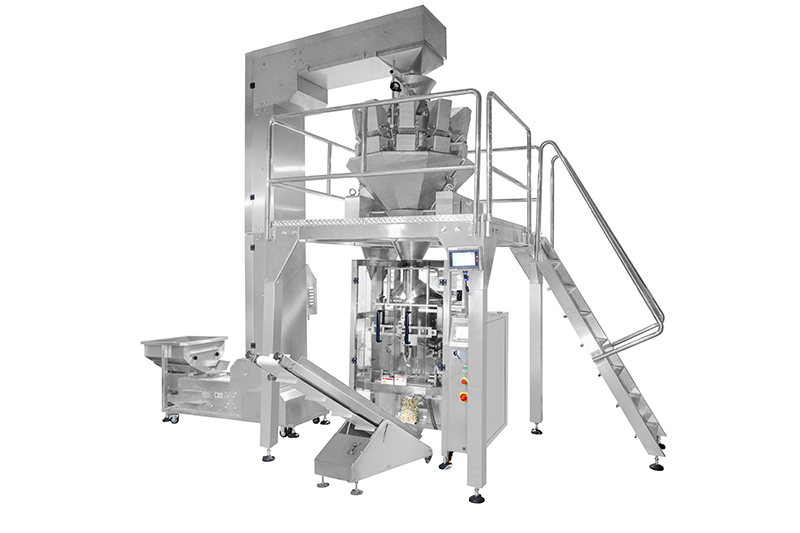
To achieve continuous operation and reduce manual handling, factory managers are increasingly pairing their automated bagging line with a custom-engineered z type bucket conveyor. This integration ensures a steady workflow from the floor directly into the forming tubes without damaging the product.
Common Problems in Granule Feeding Systems
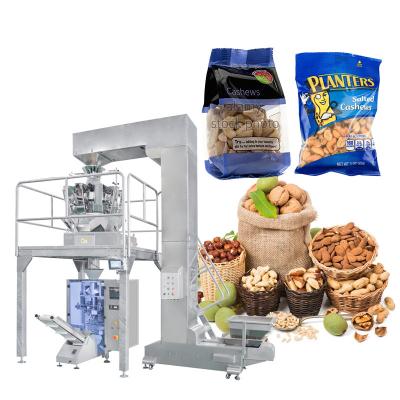
In a fast-paced plant, standard material handling equipment often fails under heavy workloads. Production managers frequently complain about five specific bottlenecks when feeding an automatic weighing and bagging machine:
Bucket chain slipping: Poor tensioning causes the chain to jump teeth, leading to sudden line stoppages.
Product sticking inside buckets: Fine powders or oily granules (like pet kibble or seasoned snacks) cling to bucket corners, causing inaccurate weights and cross-contamination.
Dust leakage around transfer points: Open feeding zones allow fine particles to escape into the air, creating a dirty workspace and triggering maintenance alarms.
Material overflow during high-speed feeding: If the conveyor speed isn't synced with the multi-head weigher, the hopper overfills and spills product onto the floor.
Cleaning downtime during product changeovers: Spending three hours scrubbing down an elevator between batches kills daily ROI.
A well-designed bucket conveyor system directly addresses these operational issues, turning a chaotic feeding process into a predictable, automated flow.
Why Factory Managers Prefer the Z-Configuration
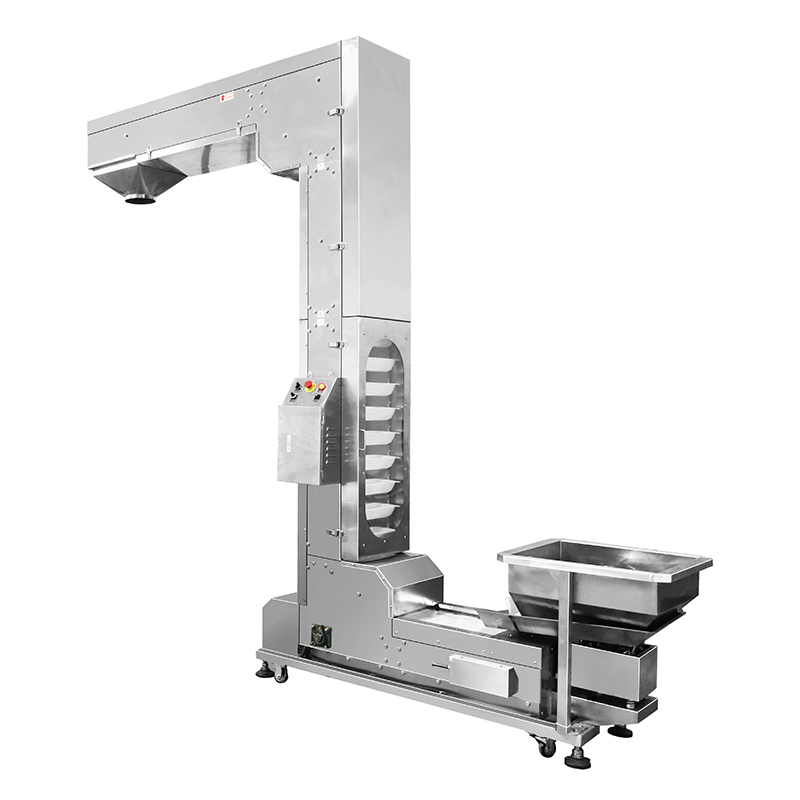
The z conveyor system is named after its distinct "Z" shape: it takes product from a low feeding point, lifts it vertically, and moves it horizontally again to discharge. This specific geometry saves valuable floor space while delivering stable feeding directly into the elevated hopper of your granule packaging machine.
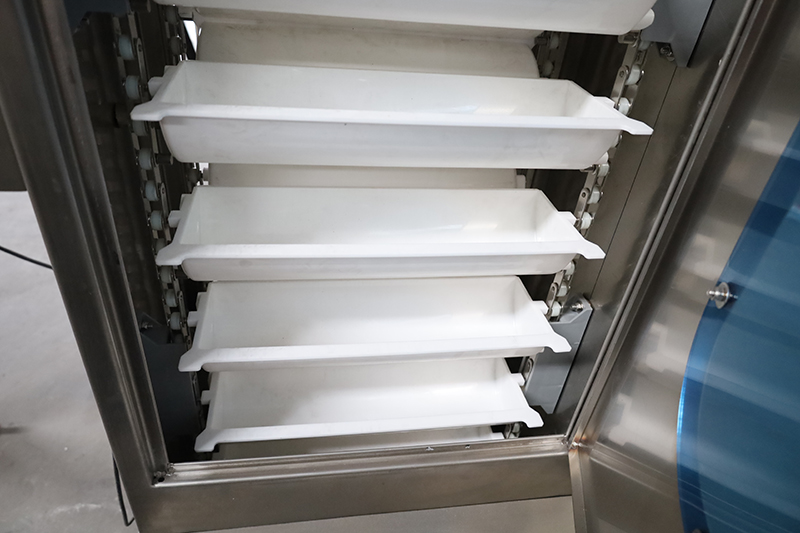
Unlike traditional screw augers that crush brittle materials, a vertical bucket conveyor carries the product inside individual, overlapping buckets. Because the buckets remain upright throughout the entire transit loop, they greatly reduce spillage and minimize product loss during high-speed runs. Choosing the right material handling design directly affects the efficiency of your entire packaging line layout.
Common Applications: Material Matters
Because this setup handles fragile materials so gently, the choice of conveyor configuration is highly dependent on what you are packing. A reliable z type bucket conveyor setup is typically deployed across these sectors:
Nuts and Snacks: Prevents peanuts, cashews, and potato chips from chipping or breaking into unsellable dust before bagging.
Frozen Food: Handles frozen berries or dumplings without thawing or sticking, especially when using perforated buckets.
Coffee Beans: Keeps roasted beans intact, preserving their oil and premium visual appeal before they enter the automatic weighing and bagging machine.
Pet Food: Manages high volumes of dry kibble cleanly, controlling dust buildup in the plant.
Candy: Gently moves sticky or sugar-coated jellies and hard candies without scuffing the surface.
Hardware Parts: Transports heavy small objects like screws, bolts, and plastic clips into industrial bags without tearing a standard fabric belt.
Maintenance and Hygiene: Choosing a Food-Grade System
For plants handling food, pet food, or pharmaceuticals, the cleanout speed dictates your daily throughput. Implementing a certified food grade bucket lift elevator system is required to meet sanitary guidelines.
These systems use 304 or 316 stainless steel frames paired with food-grade polypropylene buckets. When shopping for a bucket elevator for sale, look for designs featuring quick-release mechanisms. When it is time for a flavor changeover, operators can pop the buckets off without tools, wash them down, and snap them back in. This drastically cuts cleanout time and reduces downtime between shifts.
The Procurement Logic: What to Look For
If your plant is currently sourcing new equipment and reviewing a bucket elevator for sale, look past the initial price tag. Focus heavily on how the machine handles daily wear and tear.
A heavy-duty bucket elevator conveyor must have robust automatic chain tensioners and built-in sensors to detect chain slack before a catastrophic jam occurs. It is also wise to choose a modular system. If you change your floor plan next year or buy a taller vertical packing line, a modular conveyor allows you to add or remove vertical sections without buying a completely new elevator.
The Bottom Line
A fast granule packaging machine is useless if it is constantly running empty or if operators are spending hours sweeping up spilled product from the floor. Connecting a heavy-duty feeding system to your weighing unit solves the feeding bottleneck at its source. By focusing on a clean mechanical layout rather than manual labor, you protect your product quality, eliminate unnecessary waste, and keep your plant running predictably shift after shift.
Read more: Granule Packaging Machine: Automatic Bagging Solutions

 No. 12 South Chuangye Road, Zhaoda Pioneer Park, Shishan Town, Nanhai District, Foshan City, GD, China


 Melayu



 mesin pembungkusan menegak
 Powder Packaging Machine
 Liquid Packaging Machine
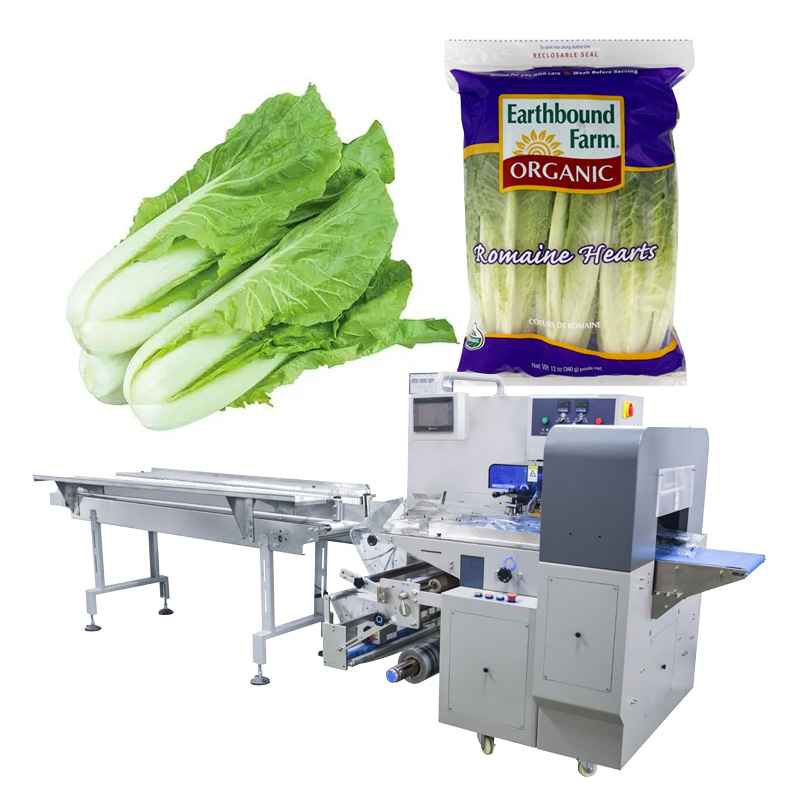 Mesin Pembungkusan Flow Pack
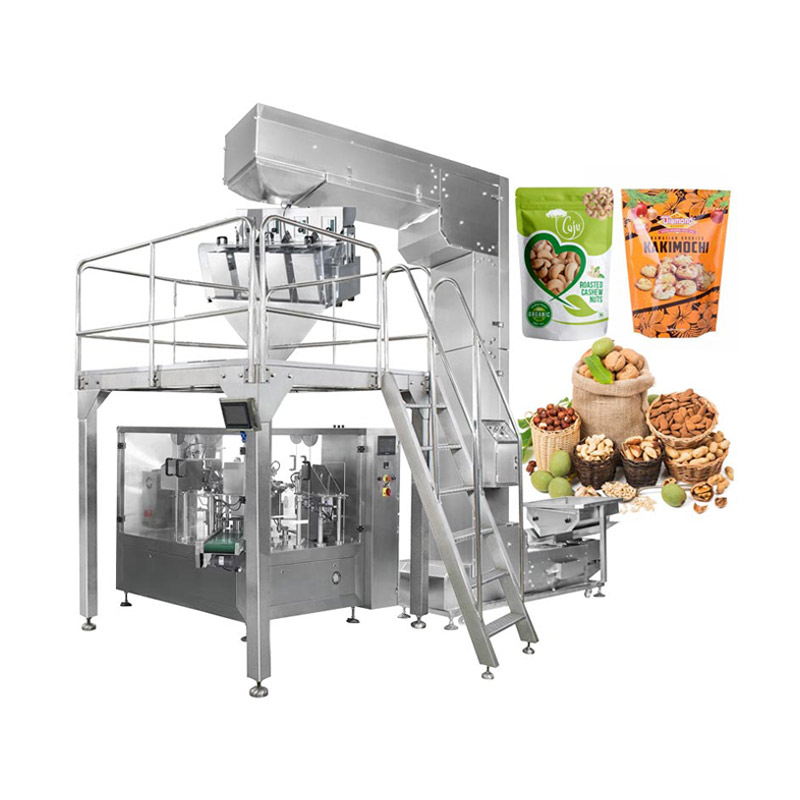 Premade Pouch Packaging Machine
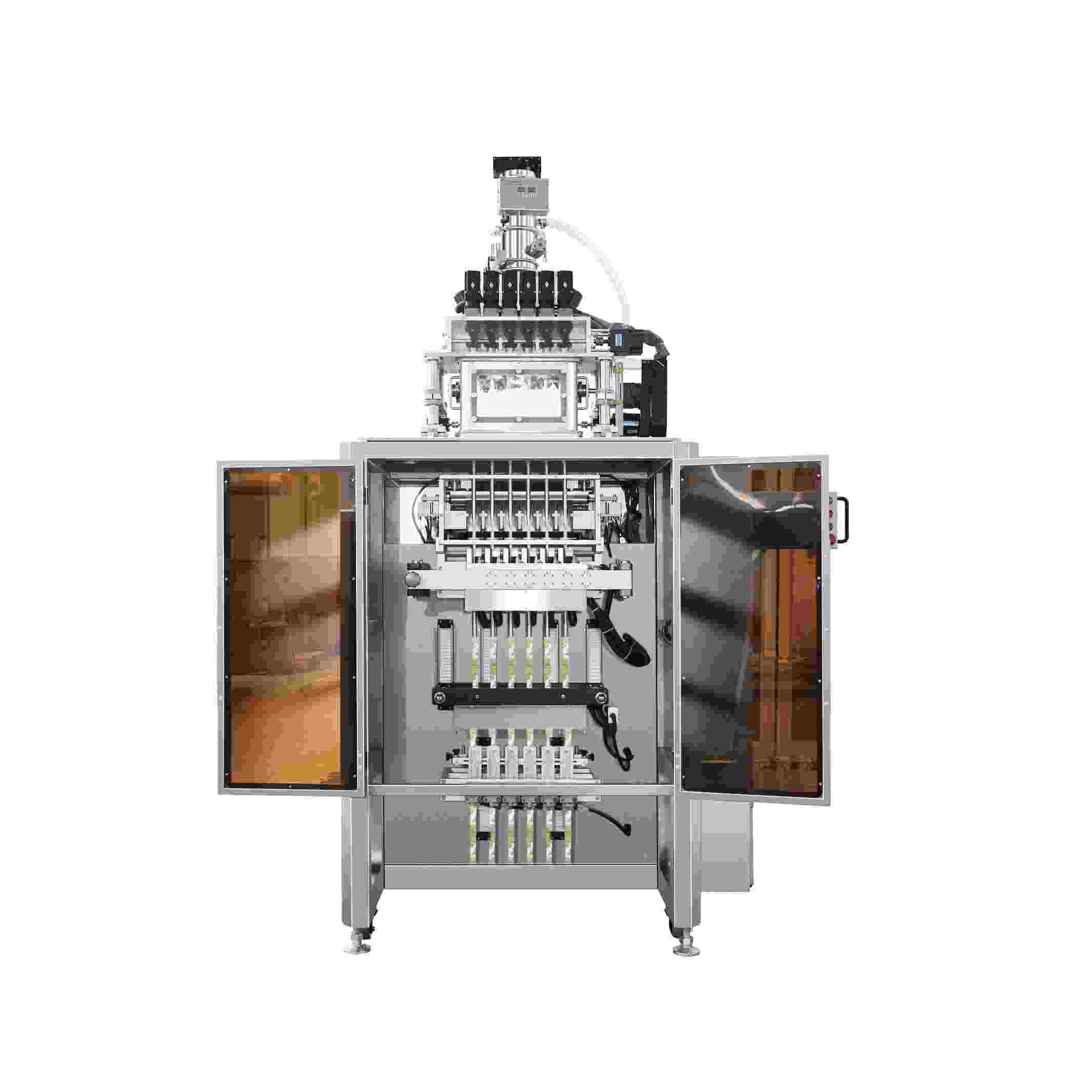 Multi-lorong mesin pembungkusan
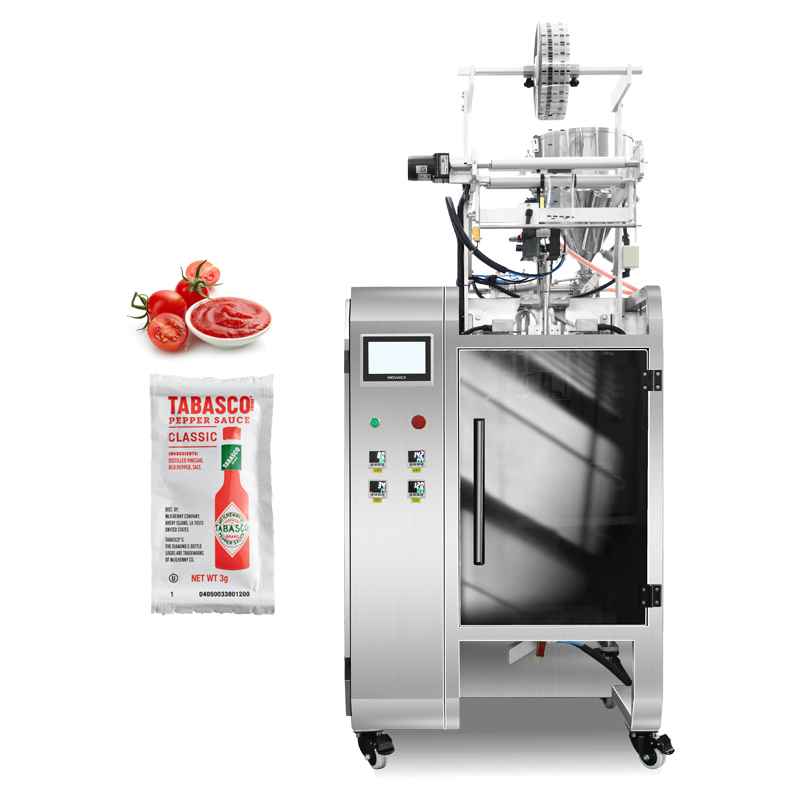 Sachet Packaging Machine
 garisan pembungkusan automatik